Key points at a glance
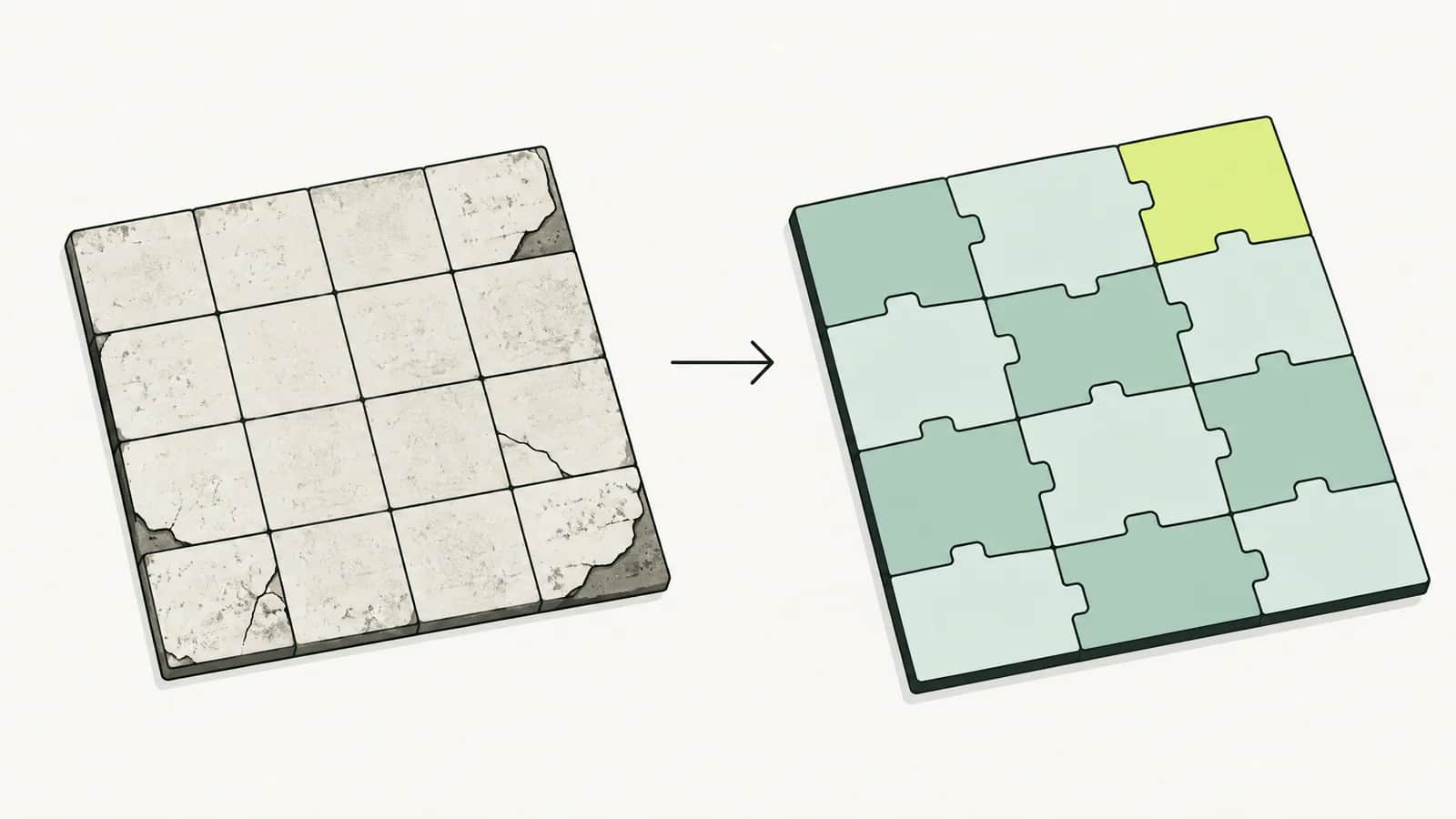
- TARDOC has applied to outpatient medical services since 01.01.2026 and replaces TARMED, which dates from 2004.
- TARDOC has around 1,400 tariff items; TARMED had more than 4,600 (FOPH).
- Alongside TARDOC there are around 300 outpatient flat rates, mainly for treatment in hospital; on your bill, TARDOC is identified by code 007 and flat rates by code 005.
- The Federal Council approved the new tariff system on 30.04.2025, for a limited period until 31.12.2028.
- The switch of tariff must be cost-neutral; the price of each service is the number of tax points multiplied by the cantonal point value.
What is TARDOC?
TARDOC is the tariff structure for outpatient medical services in Switzerland. It determines which services a doctor in a practice or in a hospital outpatient department may bill separately, and how much each service is worth relative to the others. TARDOC has applied since 01.01.2026 and has replaced TARMED, which had been in force practically unchanged since 2004.
TARDOC is a so-called fee-for-service tariff (Einzelleistungstarif): each item, such as a consultation per unit of time, an examination or a minor procedure, has a number of tax points. The price in Swiss francs is obtained by multiplying the tax points by the point value. The point value is not national: it is agreed between insurers and service providers in each canton and approved by the cantonal government.
TARDOC does not stand alone. The new overall tariff system also includes the outpatient flat rates. They pay a fixed amount for a whole treatment, for example an outpatient procedure. According to the Federal Office of Public Health (FOPH), TARDOC is used mainly in medical practices and the flat rates mainly in hospitals.
Why a new tariff?
TARMED dated from 2004 and reflected the medicine of that time. Many items were out of date; some services were overvalued, others undervalued. The tariff partners negotiated a successor for more than ten years. According to the FOPH, TARDOC reduced the number of tariff items from more than 4,600 to around 1,400.
How it works
Billing in three steps
- Record the service: the doctor selects the appropriate TARDOC item, for example a consultation in units of time, an examination or a technical service.
- Count the tax points: each item has a fixed number of tax points.
- Convert into Swiss francs: tax points multiplied by the cantonal point value give the amount the practice bills to the health insurer or to you.
If an outpatient flat rate applies to a treatment, a fixed amount for the whole treatment is billed instead of the individual services.
Who develops TARDOC
The law requires the associations of service providers and insurers to set up a joint organisation, with equal representation, for outpatient medical tariffs. This is OAAT AG (Organisation ambulante Arzttarife, the organisation for outpatient medical tariffs). According to the FOPH, the tariff partners are the medical profession (FMH), the hospitals (H+) and the insurers (prio.swiss). OAAT develops and maintains TARDOC and the flat rates; the tariff partners submit changes to the Federal Council for approval.
Timeline
| Date | Step |
|---|---|
| 2004 | TARMED comes into force |
| December 2023 | Tariff partners submit TARDOC and the outpatient flat rates separately for approval |
| June 2024 | Federal Council partially approves both structures and sets conditions for their introduction |
| 30.04.2025 | Federal Council approves the overall tariff system, for a limited period until 31.12.2028 |
| 05.11.2025 | Federal Council approves adjustments and additions |
| 01.01.2026 | TARDOC and the outpatient flat rates replace TARMED |
| 01.01.2027 | first planned update |
Source: FOPH. The time limit until the end of 2028 is intended to allow the new system to be adjusted after its introduction.
Cost neutrality
A new tariff must not make the healthcare system more expensive simply because of the switch. The law requires a change of tariff model to be cost-neutral in itself. The Federal Council therefore attached requirements for monitoring cost trends to its approval. According to the FOPH, the cantons’ decisions on point values are also important for achieving cost neutrality.
Legal basis
TARDOC is based on the tariff provisions of the Federal Health Insurance Act (KVG). Under Art. 43 para. 1 KVG, service providers draw up their bills according to tariffs or prices. Art. 43 para. 2 let. b KVG describes the fee-for-service tariff: it sets tax points for the individual services and determines the point value. Art. 43 para. 3 KVG allows flat-rate tariffs per patient.
Under Art. 43 para. 5 KVG, fee-for-service tariffs and outpatient flat-rate tariffs per patient must each be based on a single, uniform tariff structure agreed for the whole of Switzerland. If the tariff partners cannot agree, the Federal Council sets the structure; it can also adjust it if it is no longer appropriate (para. 5bis). Where an approved structure for outpatient flat rates exists, all service providers must apply it to the corresponding treatments (para. 5ter). Tariffs are to be based on the remuneration of those service providers that deliver the service efficiently and economically at the required quality (para. 4bis).
Art. 46 KVG governs the tariff agreement between service providers and insurers or their associations. An agreement intended to apply throughout Switzerland requires approval by the Federal Council; a cantonal agreement requires approval by the cantonal government (para. 4). This is also how the cantonal point values are set. Art. 47a KVG obliges the associations to set up a joint organisation, with equal representation, for the tariff structures for outpatient medical treatment; its tariff structures are submitted to the Federal Council for approval (para. 7).
Example: reading a doctor’s bill
Jonas is 38, has a deductible (Franchise) of CHF 1,000 and sees his GP in March 2026. The bill carries tariff code 007 for TARDOC. The tax points and point value in this example are fictitious, because both vary by service and canton; the co-payment is set by law.
| Item | Tax points | Point value | Amount |
|---|---|---|---|
| Consultation, units of time | 90 | CHF 0.90 | CHF 81.00 |
| Examination | 40 | CHF 0.90 | CHF 36.00 |
| Total | 130 | CHF 117.00 |
The tariff affects your premium indirectly: health insurers calculate their premiums on the basis of expected costs, and these also depend on the tariffs. The premium calculator shows the premium differences between health insurers in your municipality, and you can find key figures on the costs and reserves of each insurer under health insurers.
What this means for you
TARDOC changes nothing about your insurance: the benefits of basic health insurance, the deductible, the retention fee and your choice of doctor stay the same. TARDOC matters mainly when you read your bills:
- Check the copy of the invoice. If the doctor or hospital bills the health insurer directly, you receive a copy of the invoice, either from the service provider or from the insurer (Art. 42 para. 3 KVG). Check the date, the services and the time billed.
- Look at the tariff code. Code 007 stands for TARDOC, code 005 for outpatient flat rates.
- Ask if anything is unclear. Ask the practice first. If something is wrong, report it to your health insurer; it will check the bill.
- Choose your deductible realistically. Whether doctor’s visits cost slightly more or less under TARDOC depends on the service. What matters for your choice of deductible is your expected total cost, not the tariff.
The FOPH and the tariff partners are monitoring how the new tariffs affect healthcare costs as part of the approval, which runs until the end of 2028.
Common mistakes
- Thinking TARDOC is a new insurance. TARDOC is a billing tariff between doctors and health insurers, not a product and not a change in benefits.
- Assuming the point value is national. It is agreed and approved at cantonal level. The same service can therefore cost different amounts in two cantons.
- Confusing flat rates with individual services. With an outpatient flat rate, the bill shows one amount for the whole treatment instead of many individual items. That is not an error; it is the new system.
- Paying bills without checking them. The copy of the invoice is your tool for checking. Errors are only noticed if someone looks.
- Blaming higher premiums on the tariff alone. Premiums reflect total costs, including the volume of services, medicines and hospital stays.
Frequently asked questions
What is TARDOC?
TARDOC is the Switzerland-wide tariff structure under which outpatient medical services have been billed item by item since 01.01.2026. Each service has a number of tax points; multiplied by the cantonal point value, this gives the price in Swiss francs.
Does a doctor’s visit cost more with TARDOC?
The law requires the change of tariff model itself to be cost-neutral. Some services become more expensive and others cheaper; for example, time spent talking with the patient is reflected differently. Your co-payment is still made up of the deductible and the 10% retention fee.
What is the difference between TARDOC and the outpatient flat rates?
TARDOC is a fee-for-service tariff: every service provided is billed separately. An outpatient flat rate pays a fixed amount for a whole treatment, such as an outpatient procedure. Flat rates are used mainly in hospitals, TARDOC mainly in medical practices.
How do I recognise TARDOC on my bill?
Bills under TARDOC carry tariff code 007, outpatient flat rates code 005. Check that the date, duration and services match your visit.
Related terms
Sources
- Federal Health Insurance Act (KVG), Art. 43Art. 43 para. 5 KVGfedlex.admin.ch
- KVG, Art. 46 (tariff agreement)Art. 46 KVGfedlex.admin.ch
- KVG, Art. 47a (organisation for tariff structures)Art. 47a KVGfedlex.admin.ch
- FOPH: Health insurance: Benefits and tariffsbag.admin.ch
- FOPH: Guide “The compulsory health insurance system”, as of 1.1.2026bag.admin.ch
- KVG, Art. 42 (copy of the invoice)Art. 42 para. 3 KVGfedlex.admin.ch
- Health Insurance Ordinance (KVV), Art. 103Art. 103 KVVfedlex.admin.ch